
Eastern Medicine Practices for Perimenopause & Menopause
As part of your 28-Day Reboot, we want you to feel supported from every angle—not just through training and nutrition, but also with practices that have been helping women for thousands of years.
Here’s a gentle introduction to Traditional Chinese Medicine (TCM) and Ayurveda, and how you can bring some of their wisdom into your journey.
Traditional Chinese Medicine (TCM)
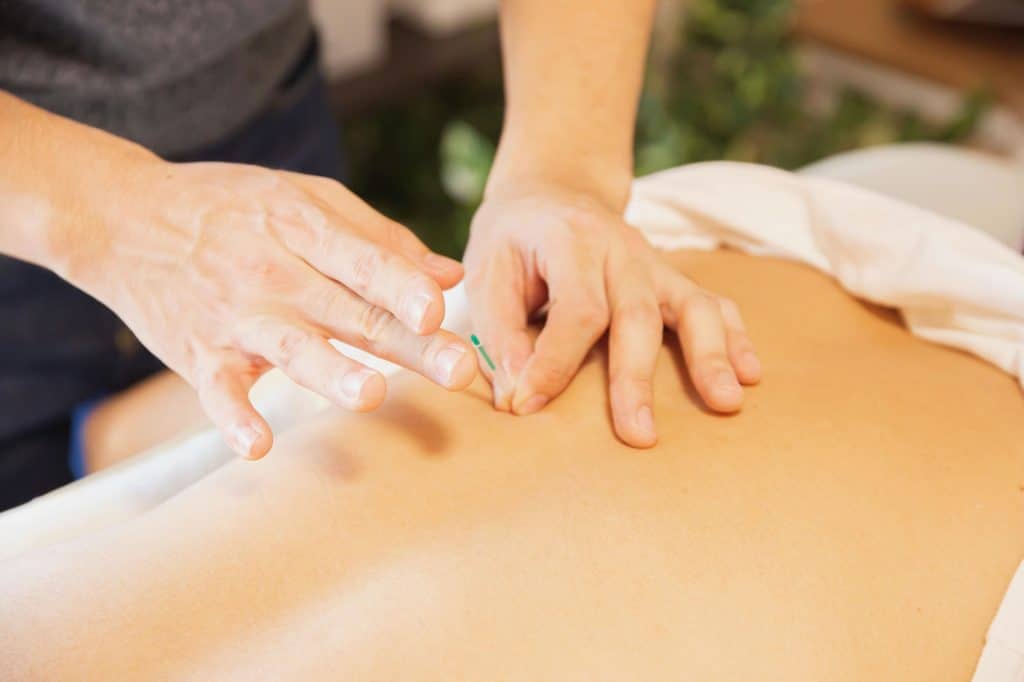
Acupuncture
Tiny needles, big benefits. Acupuncture has been shown to:
- Reduce hot flashes & night sweats
- Improve sleep
- Ease anxiety and mood swings
- Balance your body’s natural energy (Qi)
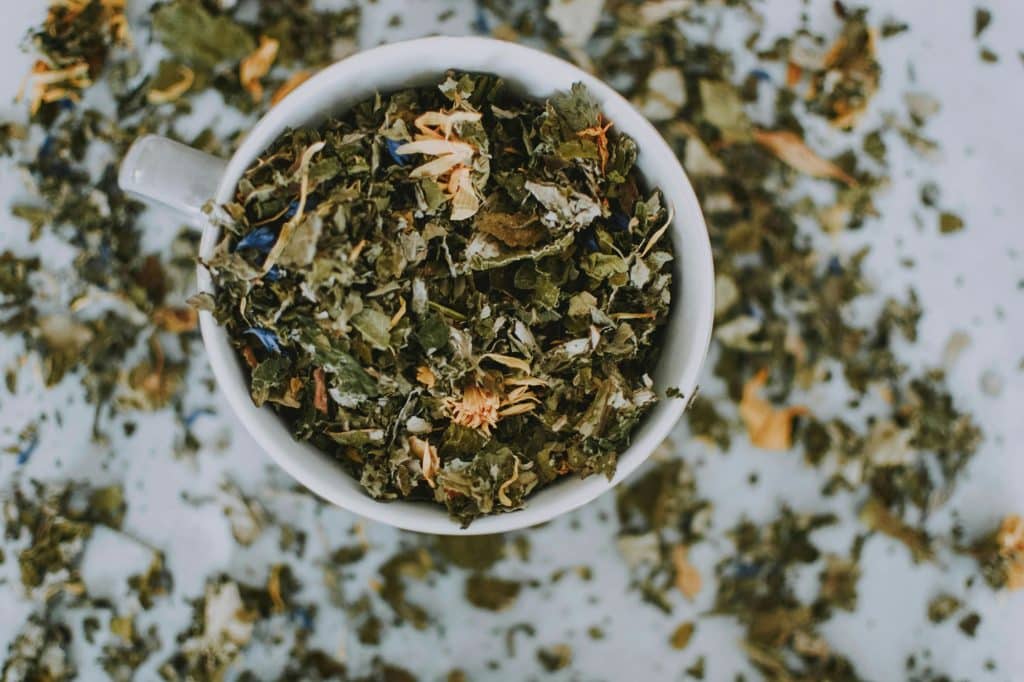
Herbal Support (under guidance from a trained practitioner)
- Dong Quai – balances hormones, supports menstrual health
- Rehmannia – supports kidney/adrenal energy (vital in TCM for women 40+)
- Peony + Licorice Root – calming for PMS, mood, and cramping
Qi Gong & Tai Chi
Slow, mindful movement to reduce stress and rebalance energy. Even 10 minutes per day can help calm the mind and restore your nervous system.
Ayurveda (Ancient Indian Medicine)
Daily Warm Oil Massage (Abhyanga)
Use sesame or almond oil before a warm shower to calm the nervous system, ease joint pain, and improve circulation.
Hormone-Friendly Herbs
- Ashwagandha – reduces stress, improves sleep and libido
- Shatavari – called “the queen of herbs” for women; balances hormones and eases hot flashes
Nourishing the Vata Dosha
Menopause is linked to a rise in Vata (dry, airy energy). To balance this:
- Eat warm, cooked meals with healthy fats
- Avoid overly dry, raw, or cold foods
- Practice grounding routines like journaling, warm baths, and stillness
You Don’t Need to Do It All. Just Start Small.
Pick one or two of these gentle practices and try them this week. Our reboot is about progress, not perfection—and adding ancient wisdom can be a beautiful complement to your training and nutrition.
We’re here to guide you every step of the way.